When you buy a property with no historical STR performance data, you're underwriting a thesis, not a track record. 430 Last Wagon had been an owner-occupied residence — beautifully maintained, photographed often, but never listed nightly. Every revenue projection was an assumption stacked on top of other assumptions about ADR, occupancy, season curves, and the premium an architecturally distinctive listing can command above a generic vacation home of comparable size.
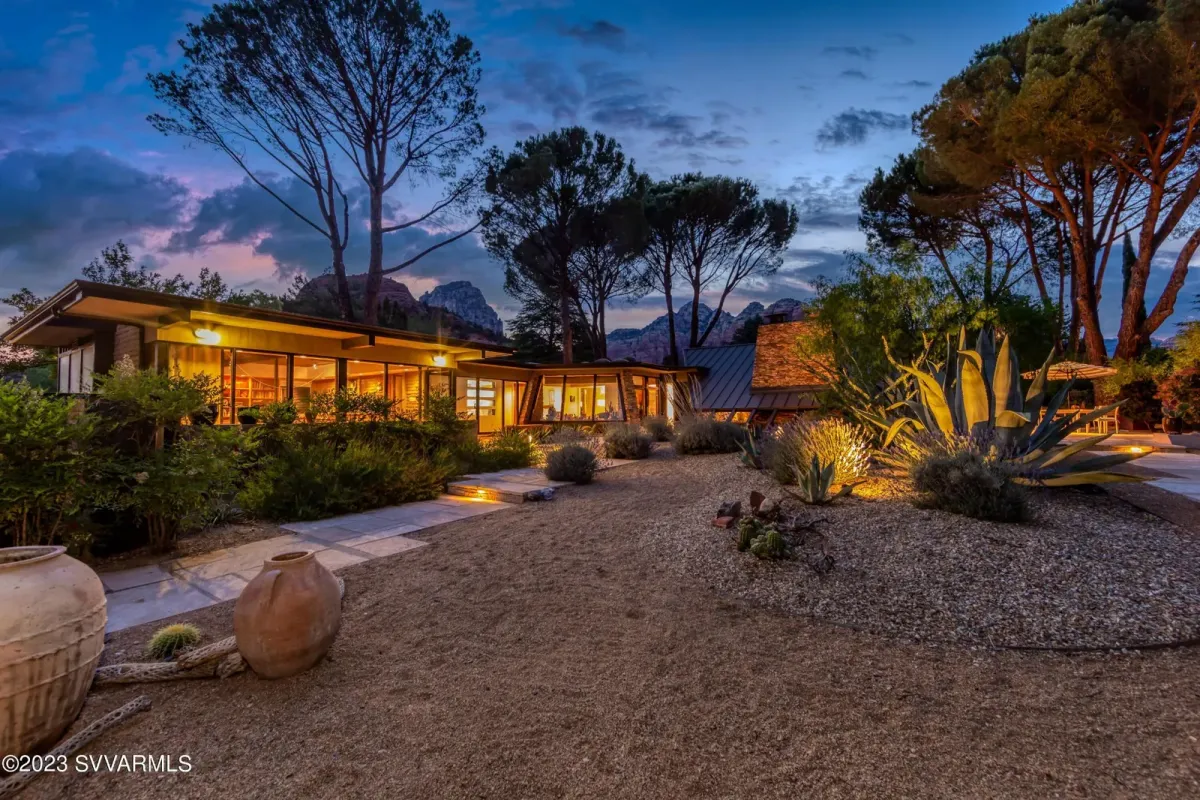
We had a clear thesis on the architectural premium. Madole's design language — the stone, the wood ceilings, the deep overhangs, the way light moves through the great room — creates listing differentiation that generic Sedona vacation homes can't replicate. Photography sells the first nights. Reviews sell the next twelve months. The bet was that the design language would carry the early-photo conversion until enough five-star reviews were on the wall to compound on their own.
The dual-structure configuration gave us a second lever. A main residence and a detached casita meant we could operate as one large 5-bed listing or two independent smaller units depending on the season and the inquiry. That kind of flexibility shifts you from a single revenue line dependent on one demand curve to two semi-correlated revenue lines that can hedge each other. It's not a magic bullet — but it's the kind of structural advantage that's easy to underwrite once you've seen it work.
Then the timing changed everything. We hadn't expected to find the right Sedona property before year-end. When 430 surfaced and we moved to close in December 2025, a layer of the math we hadn't planned for revealed itself: by commissioning a cost-segregation study before the tax year closed, we could reclassify portions of the property — landscaping, cabinetry, certain fixtures, site improvements — out of the standard 27.5-year residential depreciation schedule into shorter recovery periods. Bonus depreciation accelerated the rest. The number that came out the other side of that analysis: $185,000 in same-year tax savings, capital that didn't exist in our planning a month earlier.
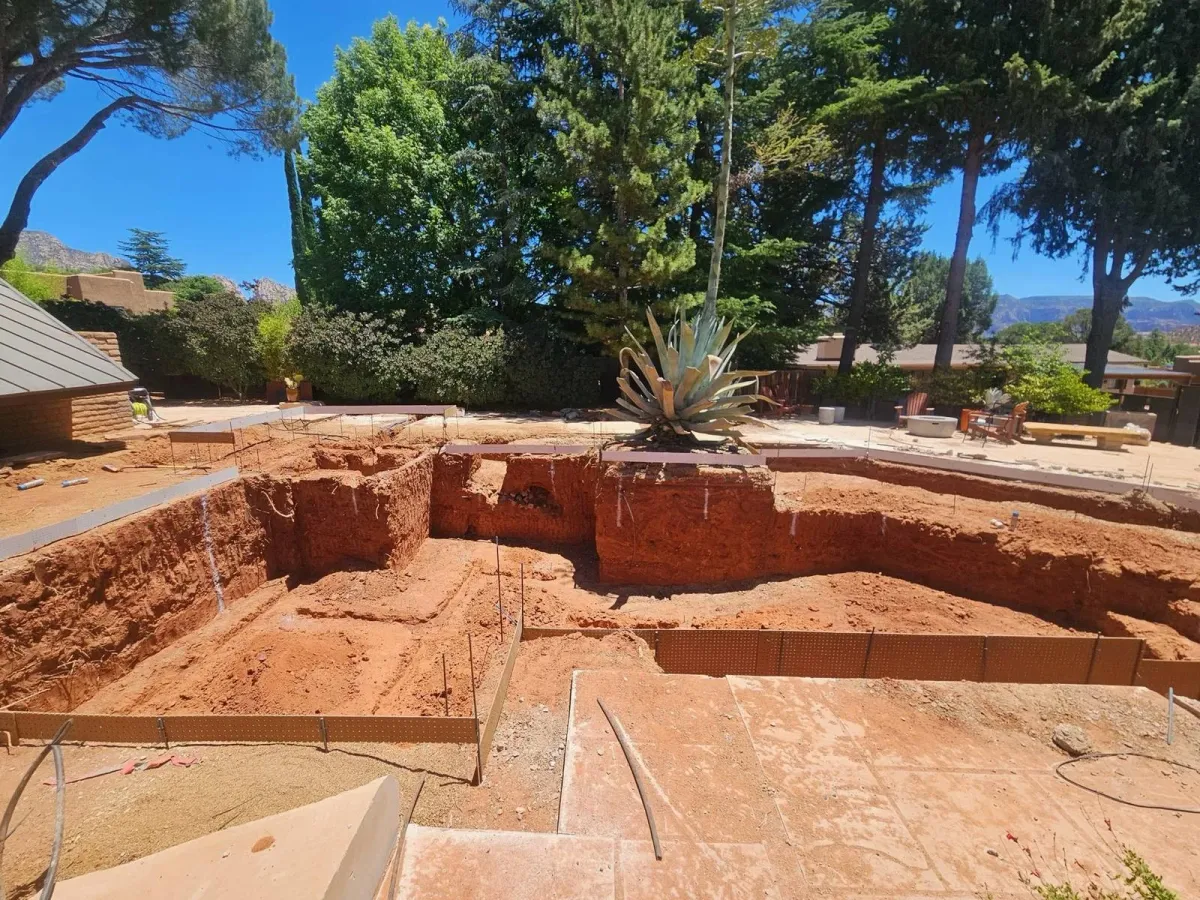
We didn't buy the property for the tax benefit. Cost-seg doesn't make a bad deal good. But a $185K reduction in effective basis changes the math on a property that already underwrote — it changes the renovation envelope you can fund without dilution, the pool build you can sequence into Year One instead of Year Two, the cushion you have if the first season's ADR comes in 15% below model. The deal that already penciled became the deal that penciled with margin for error.
What we hadn't fully resolved before closing: how a property with no rental history performs against the comp set in its first 90 days, whether the dual-structure flex actually executes operationally or just looks good in a spreadsheet, and what cost-of-capital reality we'd face if we needed to raise renovation funds against a property that hadn't yet generated a single guest stay. Each of those uncertainties had a defensible range — none of them had a number.
The full teardown covers what we believe could have gone wrong (and what protected us against each), why this was the right move at the time, what would have flipped the verdict, and the Decision Verdict itself. It's the work behind the green light — not the green light by itself.